
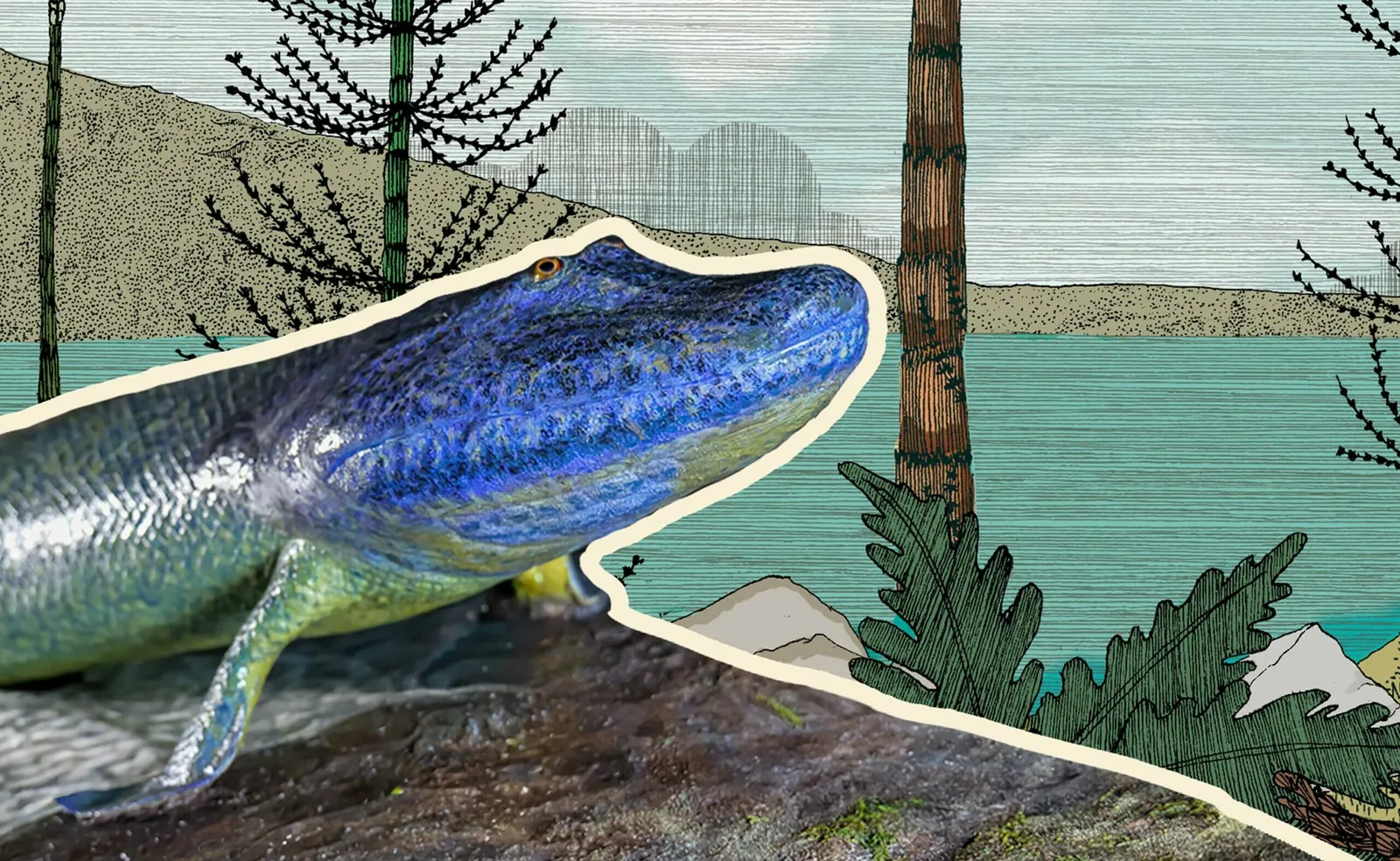
Find out how life took its first steps onto land. Discover Tiktaalik, an iconic fossil that helps us understand how fins became limbs.
Inuktitut | Inuinnaqtun | English
Find out how life took its first steps onto land. Discover Tiktaalik, an iconic fossil that helps us understand how fins became limbs—on view for the first time in Canada.
Before dinosaurs ruled the Earth, life was taking its first steps onto land.
Life onto Land: The Devonian, invites visitors to explore this incredible world through rare fossils, and artistic reconstructions, including a model of Tiktaalik roseae, a fascinating creature connecting fish to four-limbed animals like us.
If you enjoy fossils and dinosaurs, don’t miss this extraordinary look at the origins of life on land.
About Tiktaalik roseae
American palaeontologists unearthed the Tiktaalik roseae fossil on Ellesmere Island in Nunavut in 2004.
Since then, Tiktaalik roseae has been critical in our understanding of how fins became limbs—or, of how terrestrial, limbed vertebrates, like humans, arose from aquatic, lobe-finned ancestors.
It is the holotype—the original fossil used to describe and name the species.
Is Tiktaalik an evolutionary "missing link"?
Not really—the popular term "missing link" is misleading. Tiktaalik is a transitional fossil.
Evolution is more like a tree or a puzzle than a single, continuous chain.
Tiktaalik may not be our direct ancestor, but an animal that tells us what our ancient ancestor probably looked like.
Partnership with Inuit Communities
Tiktaalik was named in consultation with Inuit elders. Its name means "a large freshwater fish seen in the shallows" in Inuktitut.
Many researchers rely on Inuit expertise about the Arctic, weather and wildlife to work safely, and share their findings with the community.
The Canadian Museum of Nature is the temporary caretaker of thousands of specimens from Nunavut. A new museum and heritage centre is planned for Iqaluit. Once opened, the Nunavut Collections will be kept there.
Catch a glimpse of the exhibition
[Music plays throughout the video]
[On-screen text] Life onto Land: The Devonian La vie sur la terre ferme : le Dévonien
[Exhibition promotional poster]
[Logos: Canadian Museum of Nature/Musée canadien de la nature. Government of Canada/Gouvernement du Canada]
Meet Tiktaalik roseae
[Tetsuto Miyashita, Ph.D., Palaeobiologist, Canadian Museum of Nature]
Long before dinosaurs ruled the Earth, our planet was undergoing one of the most dramatic transformations in its history.
Oceans teemed with life.
New ecosystems emerged.
And for the first time, vertebrates began to explore life beyond water.
At the Canadian Museum of Nature in Ottawa, Life onto Land: The Devonian brings this extraordinary chapter to life.
At the heart of this story is one extraordinary fossil.
This is Tiktaalik roseae, one of the most important fossil discoveries ever made.
[On-screen text : Tiktaalik roseae Late Devonian Period 375 million years ago]
[Tetsuto Miyashita] Tiktaalik lived about 375 million years ago, during a time when life was experimenting with new ways to survive.
The story of Tiktaalik is also the story of its discovery.
To understand why this fossil matters, it helps to hear directly from the scientists who helped bring it to the world.
Neil Shubin is a palaeontologist and evolutionary biologist who helped discover Tiktaalik in Canada’s High Arctic.
His work transformed how scientists understand the transition from life in water to life on land.
[Neil Shubin, Ph.D., Professor of Organismal Biology and Anatomy, University of Chicago] Yeah, what you have is a critter that is a real mix of characteristics.
It’s really, it was really amazing when we first found it.
You know, like a fish, it has scales on its back and fins with fin webbing.
And there’s all kinds of other parts of it that are very fishy.
But, like an animal that lives on land, you know, a limbed animal, it has a flat head with eyes on top.
It has a neck.
And when you look inside the fin, what do you see?
[On-screen text: Tiktaalik roseae NUFV 110 pectoral fin Scales digitally removed and fin rays highlighted]
[Neil Shubin] You see bones that correspond to upper arm, forearm, even parts of a wrist.
It’s really kind of amazing.
It’s a mix of creatures that live in water and creatures that live on land.
It shows us how creatures evolved to walk on land—a pivotal moment in the history of our world, and a pivotal moment in the history of our own body.
So when we discovered the, this fossil in rocks that were 375 million years old in Nunavut Territory on southern Ellesmere Island, it seemed very natural for us to engage the local Inuit community in coming up with a name.
And Tiktaalik is a name of a flat-headed fish, actually a living one that they, that they fish in the western part of the Arctic.
So they suggested that name to us when we asked them for a name, and it stuck.
[On-screen text: Tiktaalik is an Inuktitut word that means “large freshwater fish”]
[Tetsuto Miyashita] Life onto Land: The Devonian invites visitors to explore one of the most important transitions in the history of life through rare fossils, Canadian research and discoveries that continue to shape how we understand our world.
Visit the Canadian Museum of Nature in Ottawa and experience Life onto Land: The Devonian in person.
[On-screen text: Media Credits Great Transitions: The Origins of Tetrapods HHMI BioInteractive Video series © Howard Hughes Medical Institute, 2004]
[Logos: Canadian Museum of Nature/Musée canadien de la nature. Government of Canada/Gouvernement du Canada]
In partnership with
The Academy of Natural Sciences of Drexel University
Share on social media
Fossil Gallery
Journey back in time to explore the dramatic events that led to the extinction of dinosaurs and the rise of mammals.
Qikiqtait ᕿᑭᖅᑕᐃᑦ
The Qikiqtait exhibition in the Polar Knowledge Canada Northern Voices Gallery celebrates Inuit knowledge and innovation from the Arctic Eider Society in Sanikiluaq.
Water Gallery
Canada is surrounded by ocean and has the longest coastline in the world. Discover the wonders of water on our big blue planet.
Information may change. If you spot anything outdated or incorrect, let us know.
I run 613today on my own and I'm not affiliated with this event or its organizer. Event info may not be perfectly up to date. Please double-check with the official website before heading out, or contact the organizer directly for any questions about the event. 613today doesn't sell tickets or process payments — always buy through the organizer's official channels and verify before paying. I'm not responsible for transactions with event organizers. If you spot anything wrong on this page, let me know.
Event Details

Canadian Museum of Nature
Canada's national natural history museum, housed in a landmark Victorian sandstone building. Features dinosaur fossils, a blue whale skeleton, the world's largest display of Canadian birds, and an Arctic gallery. Free Thursday evenings 5-8 PM for all.
Upcoming Events
 culturalSep 26
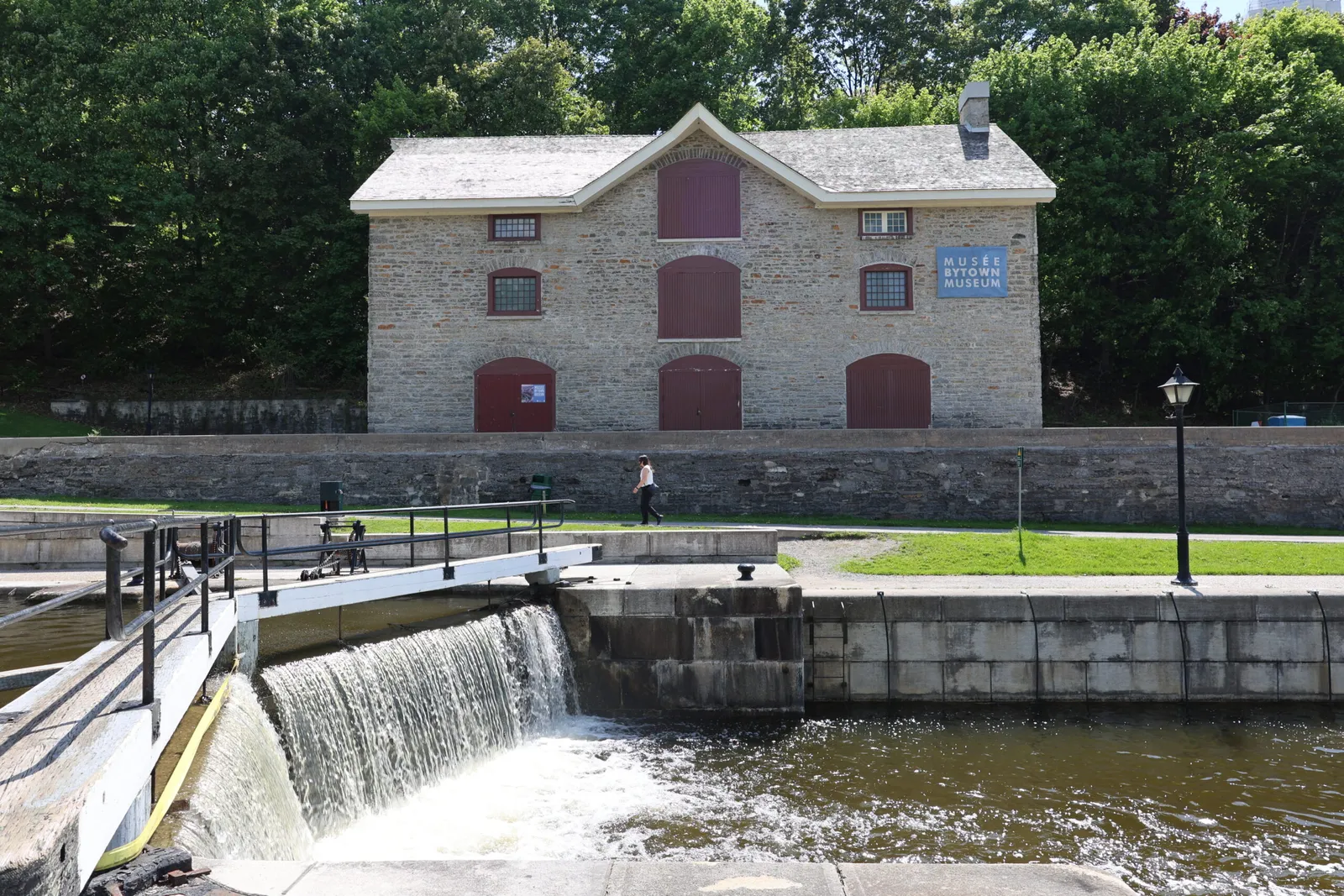
Ottawa 200+ Bytown Together
Bytown Museum
The Bytown Museum is proud to help shape Ottawa’s bicentennial year in collaboration with the City of Ottawa and partner cultural organizations. On September 26, 2026, the Museum will mark the bice...
 culturalSep 25
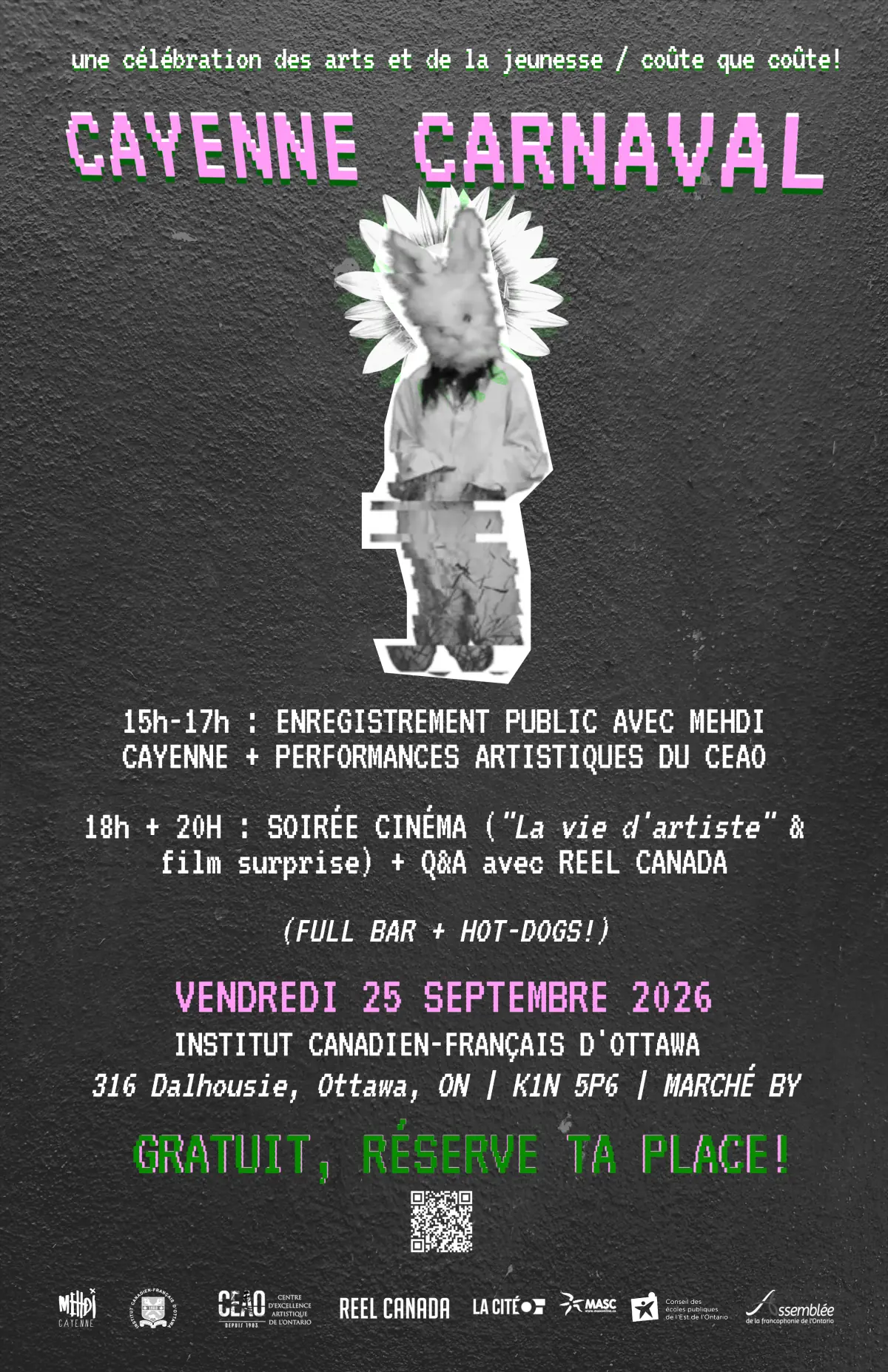
Cayenne Carnaval
Institut canadien-français d'Ottawa (ICFO)
Free bilingual arts and film gathering at ICFO in the ByWard Market on Friday, September 25. Afternoon public recording with Mehdi Cayenne and CEAO students, then a REEL CANADA double feature including La vie d’artiste. RSVP required.
 culturalNov 27
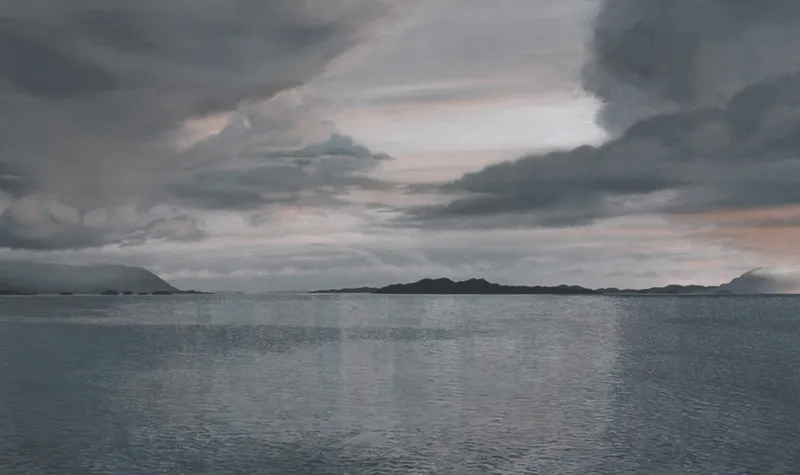
Takao Tanabe: Inside Passage
National Gallery of Canada
Featuring more than sixty paintings, Inside Passage showcases Takao Tanabe’s seven-decade career, while also marking his 100th birthday.
 culturalSep 23
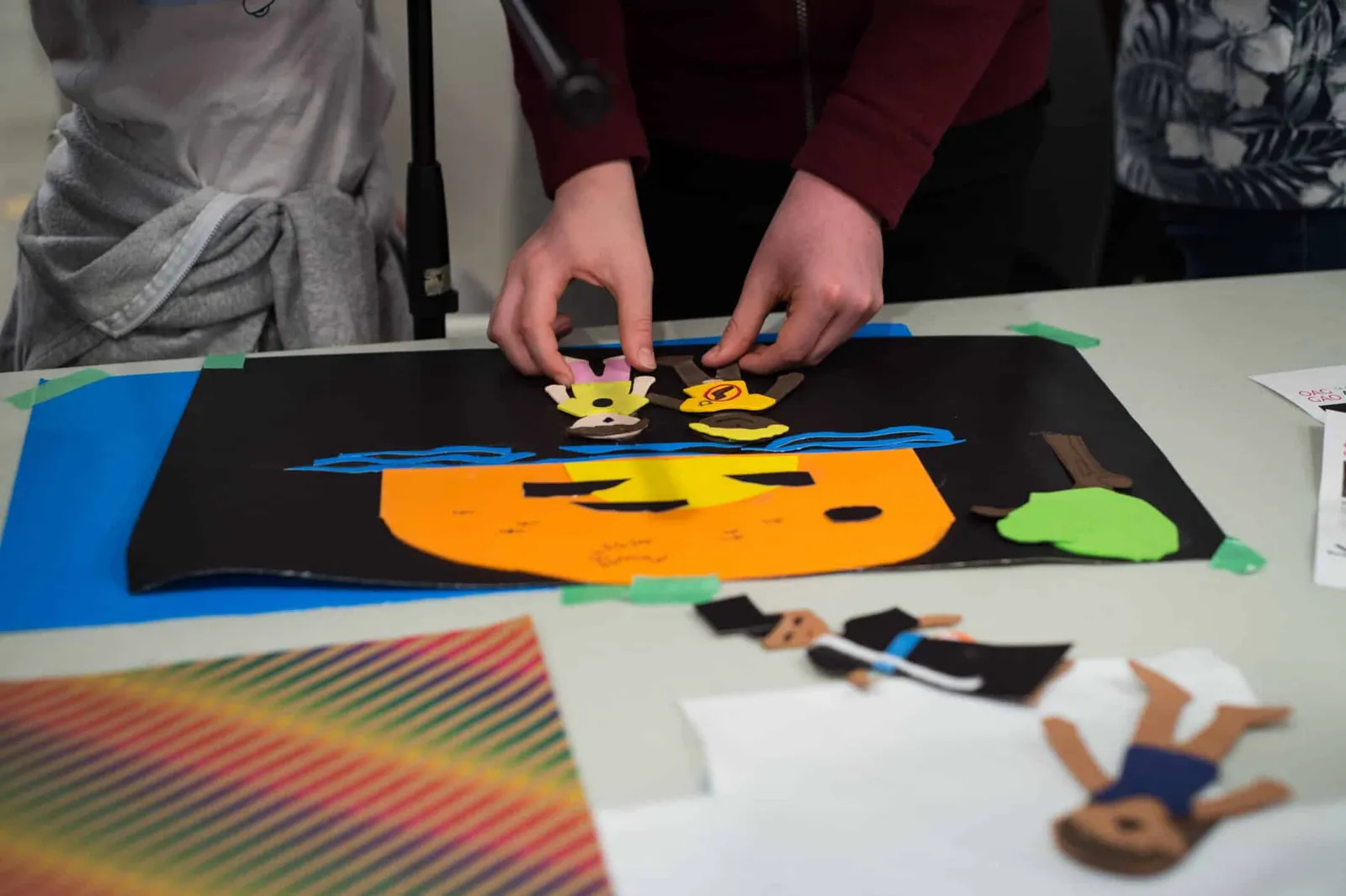
Drop-In Art Workshop
Ottawa Art Gallery Studio
On September 23rd and 24th, from 10 AM – 3 PM explore the principles of caricature with a colorful character design activity! Then, from 10 AM – 3 PM on September 25th, delve into the 3D and build ...
 culturalSep 25
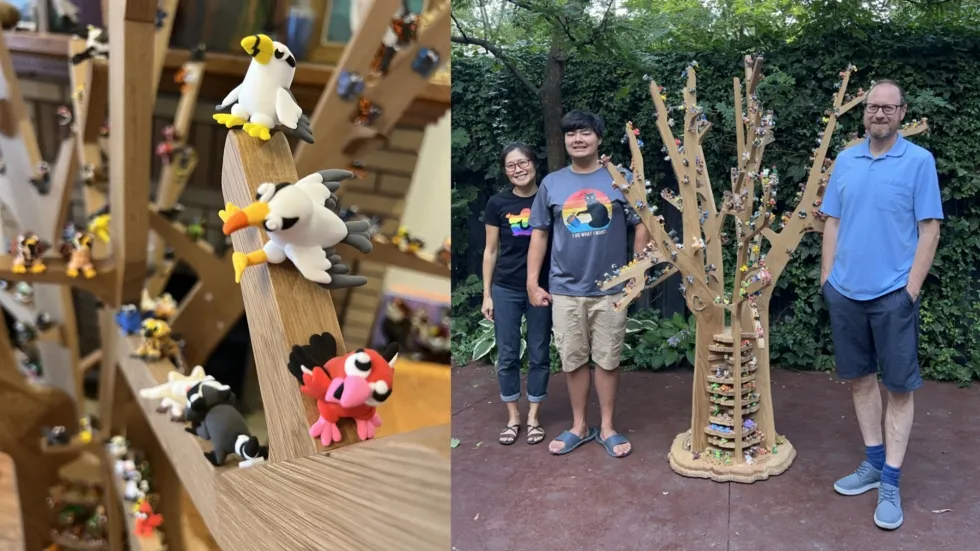
Ottawa 200 Biodiversity Tree
National Arts Centre — Atrium O’Brien
Hundreds of vibrant, whimsical, and spirited animals representing 200 species connected to Ottawa’s past and present joyfully populate this one-of-a-kind public art installation. Each tiny clay ani...
 culturalSep 26
Ottawa 200 Day at the OAG
Ottawa Art Gallery
Join the OAG to celebrate Ottawa 200 Day for a weekend of free drop-in workshops, Art Markets, animations, and art events. Drop-In Art Workshop On September 23rd and 24th, from 10 AM – 3 PM explore...
Want to add your event to 613today? It’s free!
Contact Us →