
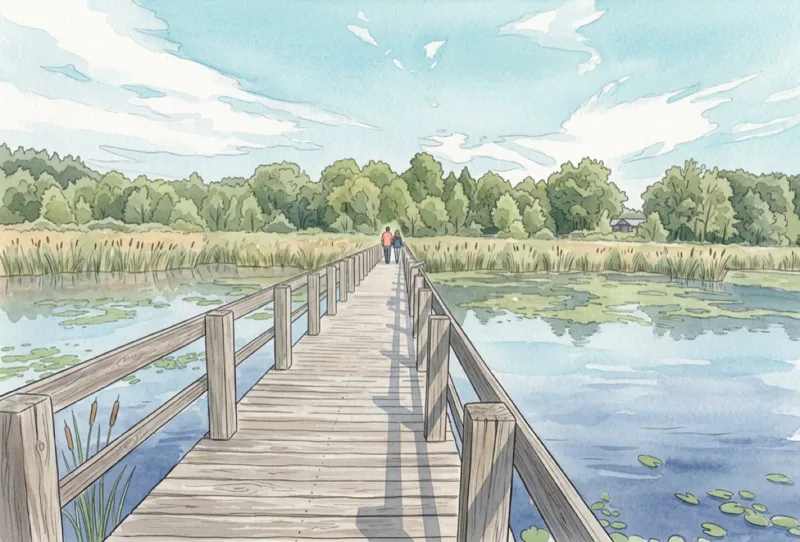
Mer Bleue Bog
A 3,500-hectare conservation area in Ottawa's Greenbelt featuring a boreal bog ecosystem normally found much farther north. The 1.2 km boardwalk trail crosses a Ramsar Wetland of International Importance, home to carnivorous plants, orchids, and spotted turtles. Free admission and parking.
Features
About Mer Bleue Bog
Mer Bleue is a 3,500-hectare conservation area in Ottawa's eastern Greenbelt — the largest bog and natural area in the National Capital Region. What makes it remarkable is that it's a boreal-type bog ecosystem, normally found hundreds of kilometres farther north, thriving just 20 minutes from downtown Ottawa.
The bog sits on the floor of an ancient river channel carved into Champlain Sea sediments roughly 9,000 years ago. The impermeable clay foundation traps water and creates conditions for a raised peat dome — up to 6 metres thick in places — that supports a community of northern plants in a southern Ontario setting.
Mer Bleue was designated a Ramsar Wetland of International Importance in 1995, and is also a Provincially Significant Wetland.
The Boardwalk Trail
The main attraction is the Mer Bleue Bog Trail — a 1.2 km interpretive loop that begins on a stone dust path and transitions to a wooden boardwalk extending into the heart of the bog.
- Difficulty: Easy — gentle and flat, suitable for families
- Access: From Parking Lot P22 at the end of Ridge Road
- Features: Interpretation panels explaining the bog's formation, benches, and views across the open bog landscape
The boardwalk is accessible for strollers and most mobility devices, though it has limited railings and some narrow passages. A universally accessible viewing platform with bog views is available at the P22 parking area.
What You'll See
Plants
- Sphagnum mosses — the dominant ground cover
- Black spruce and tamarack — boreal tree species
- Carnivorous plants — sundews and pitcher plants, adapted to the nutrient-poor conditions
- At least 9 species of orchids
- Labrador tea, cranberry, leatherleaf, bog-laurel — heaths typical of northern bogs
- Cottongrass — distinctive white tufts visible across the open bog
Wildlife
- Spotted turtle — a rare species in Canada, found in the bog's interior
- Birds including hermit thrush, swamp sparrow, and common yellowthroat
- Beavers, frogs, and other amphibians in the transition zones
Other Trails
Beyond the boardwalk, over 22 km of trails wind through the broader conservation area:
- Trail 50 and 51 — Longer forest trails with a wooden footbridge for wildlife observation
- Trail 53 — Year-round winter access from P21; cross-country skiing and snowshoeing
- Dewberry Trail — A 1 km trail from P23
Leashed dogs are permitted on Trails 50, 51, and 53 from April 15 to November 30 only.
Best Seasons
- Spring (May–June): Orchids blooming, migratory birds returning
- Summer: Full foliage, carnivorous plants active
- Fall: Cranberry season, autumn colours, cottongrass
- Winter: Cross-country skiing and snowshoeing on designated trails
Getting There
- By Car: About 20 minutes from downtown Ottawa. Main boardwalk access is from Parking Lot P22 at the end of Ridge Road. All parking is free
- By Transit: Not easily accessible by public transit — driving is recommended
Information may change. If you spot anything outdated or incorrect, let us know.
I run 613today on my own and I'm not affiliated with this venue. Place info may not be perfectly up to date. Please double-check with the official website before visiting, or contact the venue directly for any questions about it. If you spot anything wrong on this page, let me know.
Details
You might also like
 Park
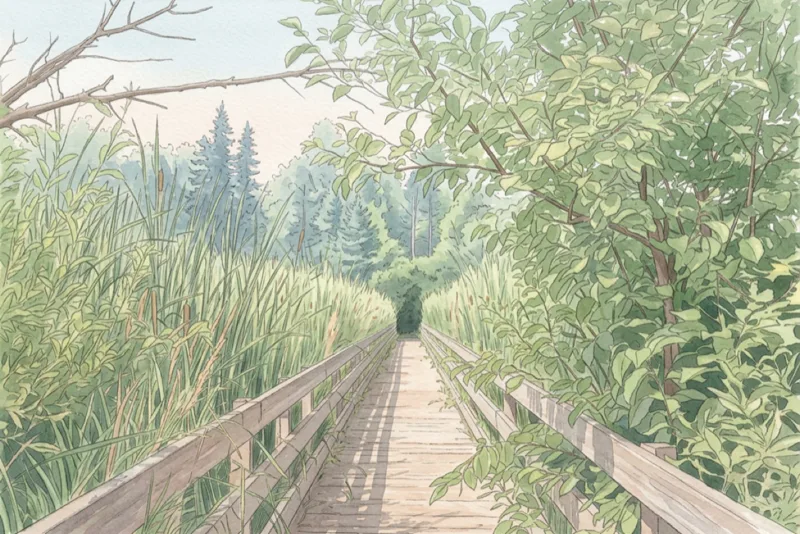
ParkStony Swamp
Nepean
The most ecologically diverse sector of Ottawa's NCC Greenbelt, with over 40 km of trails through wetlands, forests, beaver ponds, and an abandoned quarry. Features the popular Jack Pine Trail with boardwalks and the off-leash Bruce Pit dog area. Free admission and parking.
 Park
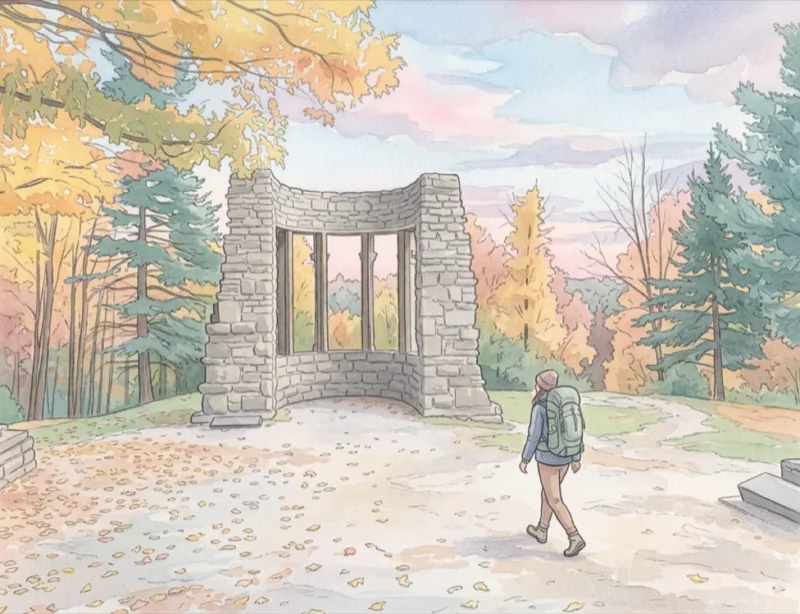
ParkGatineau Park
Gatineau
A 361-square-kilometre conservation park just 15 minutes from downtown Ottawa. Home to over 165 km of hiking trails, beaches, lakes, and the Mackenzie King Estate. Free to enter; parking fees apply at some lots in summer.
 Park
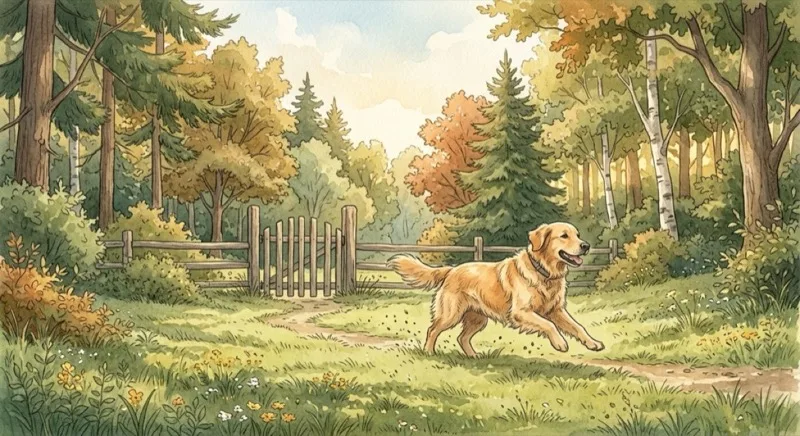
ParkBruce Pit
Nepean
Ottawa's most popular off-leash dog park — a large, fenced area with wooded trails, open grasslands, and a community atmosphere. Part of the NCC Greenbelt trail system.
 Park
ParkVincent Massey Park
Old Ottawa South
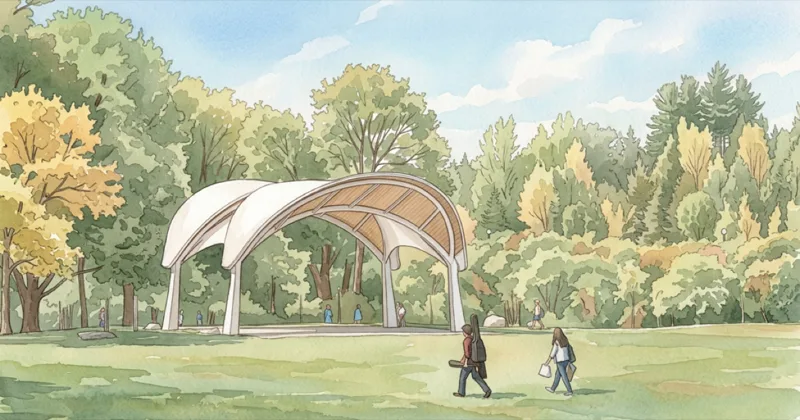
A 28.9-hectare riverside park along the Rideau River, popular for picnics, barbecues, and family outings. Features sheltered picnic areas with electrical hook-ups, a playground, wading pool, and direct connection to the Capital Pathway cycling network.
 Park
ParkConroy Pit
Ottawa
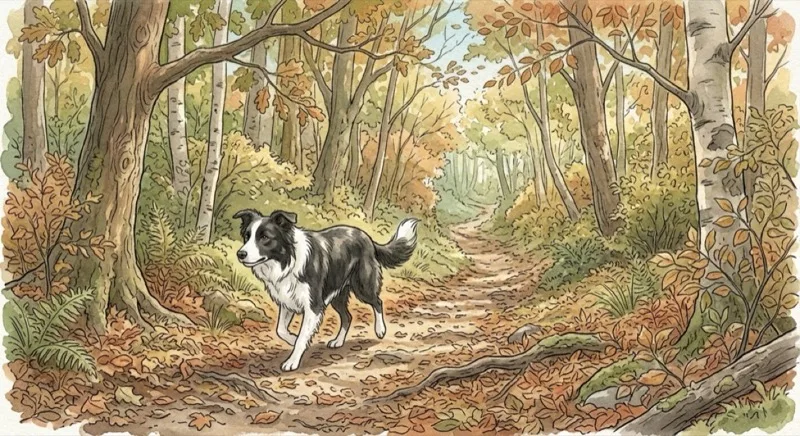
One of Ottawa's largest off-leash dog parks with 5 km of wooded trails through dense forest. Unfenced but spacious — perfect for dogs with good recall who love exploring.
 Park
ParkRockcliffe Park Lookout
Rockcliffe
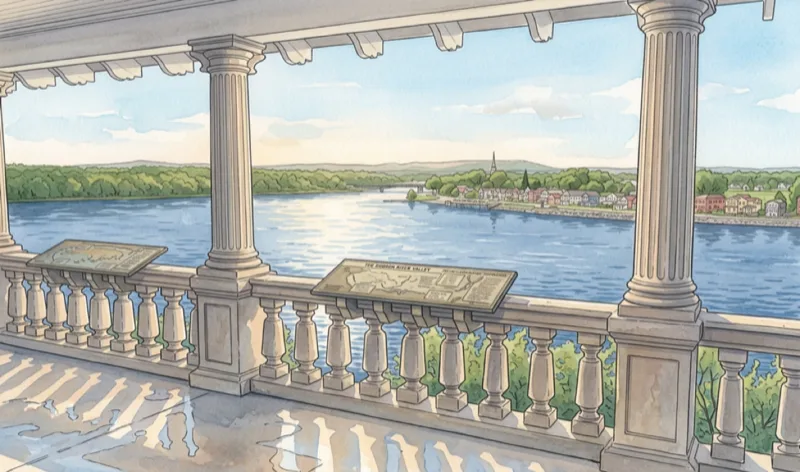
A panoramic lookout over the Ottawa River and Gatineau Hills in the historic village of Rockcliffe Park, designated a National Historic Site in 2023. The adjacent Rockcliffe Rockeries bloom with daffodils and flowering trees in May. Connected to the Ottawa River Pathway.
Want to add your place to 613today? It’s free!
Contact Us →